

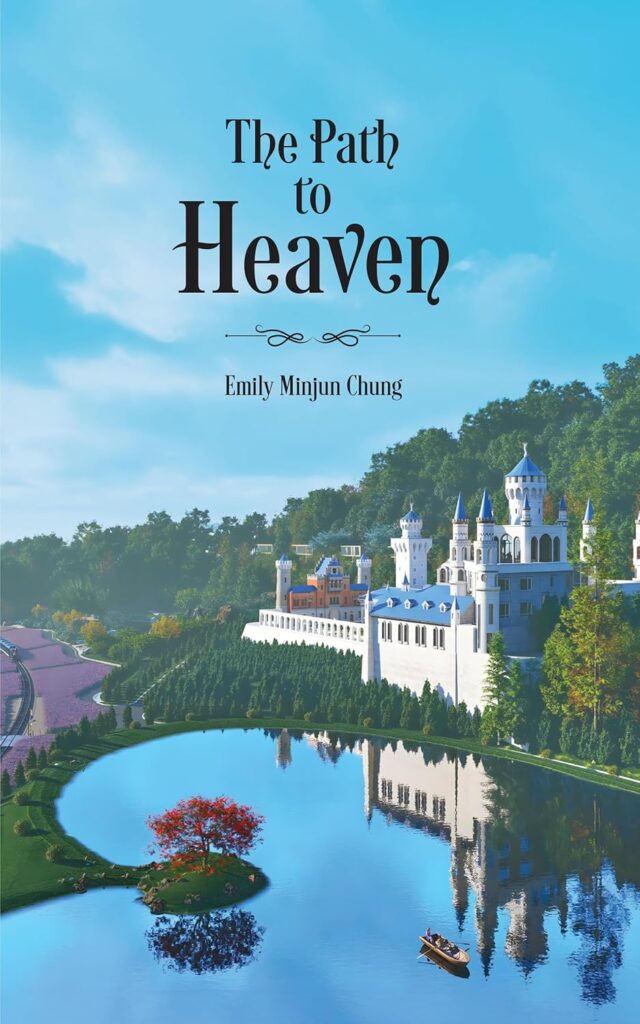
A luminous contemporary literary novel about courage, forgiveness, and finding one’s way home. The Path to Heaven follows intertwined lives across seasons of loss and renewal, inviting readers to slow down and listen to the quiet moments that change everything. Written in graceful, down-to-earth prose, the story explores family bonds, second chances, and the small acts of kindness that become turning points. Fans of Paulo Coelho and Kristin Hannah will recognize the tender hope and emotional sweep: a journey that starts in grief and grows into purpose. Unique to this edition is the inclusion of select artwork reproduced with permission from painter Yixin Wei, adding a contemplative visual layer to the reading experience. The book also features thoughtful chapter openings designed for reflection or book-club discussion, making it an inspiring pick for readers who enjoy character-driven fiction with a spiritual undercurrent.
Posted by Literary Titan
The Path to Heaven follows Lucas, an aging Parisian tour driver haunted by grief and faith, as he seeks to reconcile loss, belief, and the idea of heaven itself. The story begins quietly at a cemetery, with Lucas talking to his late wife, and grows into a cross-cultural journey that pulls him into conversations with an artist, a Russian veteran, a Muslim family, and others who all carry their own versions of faith. The novel weaves together questions of love, purpose, and spiritual searching across continents. In the end, the story is less about finding heaven and more about discovering that it already lives within human kindness and memory.
I have to say, this book caught me off guard. The writing feels gentle but deliberate, full of poetic rhythm and soft pauses. Sometimes the language reads almost like prayer, simple sentences that hum with emotion. I liked that the story didn’t rush. It breathed. Each character arrived like a new chapter in Lucas’s soul, teaching him something small but unforgettable. The pacing is deliberate, and that quietness gave me space to feel. The author’s descriptions of Paris, of sunlight on graves and whispered prayers, stayed with me long after the end of the book.
What moved me most was how the story blurred the line between faith and love. The idea that heaven could be found in people, in shared laughter, in kindness, in forgiveness, felt relatable. I could feel the ache of Lucas’s devotion to his late wife and the strange comfort he found in strangers. The conversations between cultures were beautiful too. Each meeting chipped away at his sorrow, and at mine, in a way I didn’t expect. Sometimes the dialogue leaned into sentimentality, but honestly, I didn’t mind. It felt sincere. It felt like someone opening their heart.
I’d recommend The Path to Heaven to anyone who’s ever questioned what comes after loss, or who’s ever clung to the hope that love might outlive death. It’s perfect for readers who enjoy quiet stories that linger in feeling rather than action, who find peace in reflection and gentle faith. This isn’t a book to race through. It’s one to sit with, to let unfold slowly like morning light through a church window.